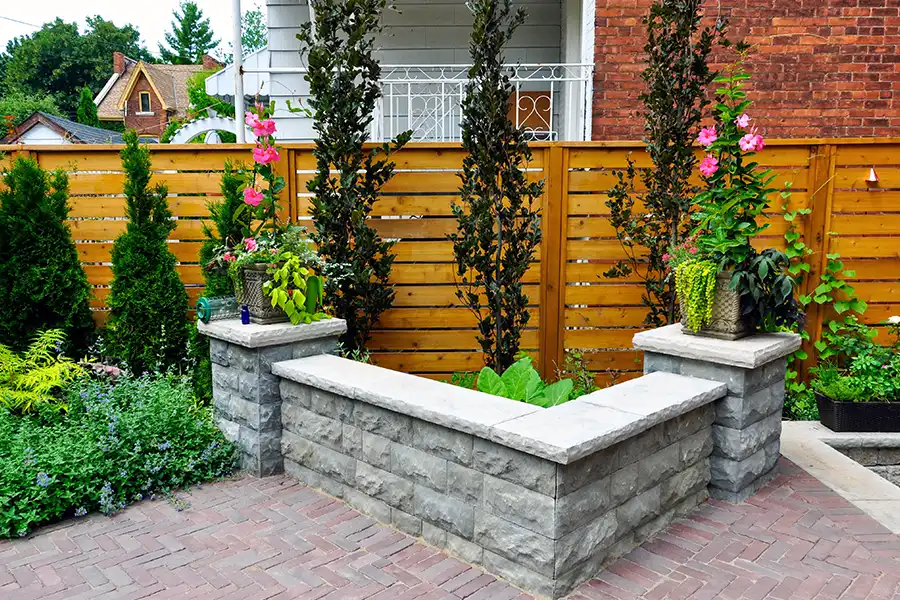
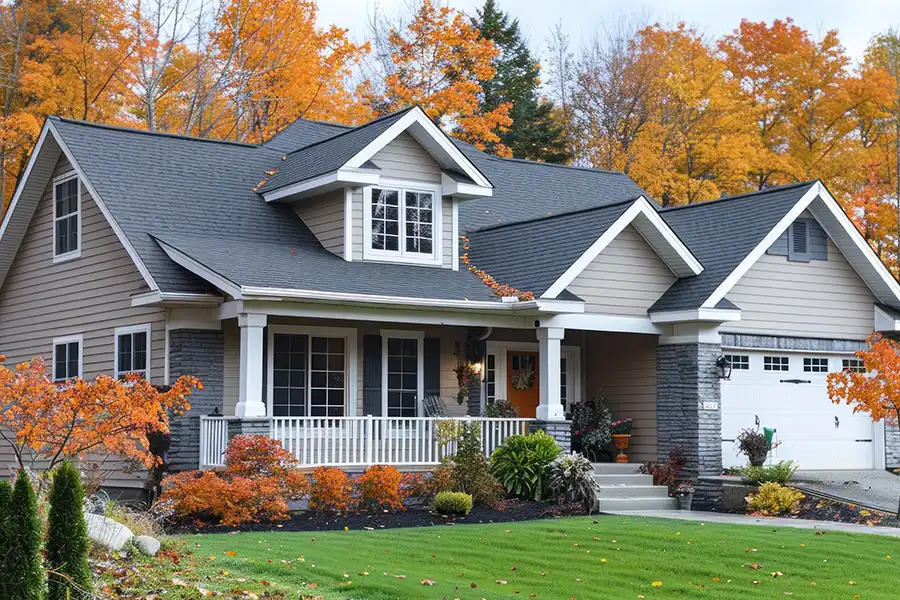
Fall is one of the best times of year to enjoy your landscape. As summer flowers begin to fade and temperatures cool, trees, shrubs, grasses, and seasonal flowers bring a new range of colors and textures to outdoor spaces. With the right plant selections, your yard can remain colorful and inviting well into the later months of the year. Taylormade Landworks can help homeowners create a landscape that continues to look beautiful as the seasons change. A successful fall landscape does not have to rely on bright orange and red alone. Deep burgundy, golden yellow, bronze, purple, pink, and rich green can all work together to create a balanced seasonal design. Choosing plants with different bloom times, heights, textures, and foliage colors can also help your landscape look interesting throughout the entire season.
For homeowners planning a landscape refresh in Springfield, IL, fall is a great opportunity to think about which plants can provide seasonal interest while also complementing the existing features of the property. With thoughtful planning and professional landscaping from our team, you can create an outdoor space that looks inviting throughout the season.
Start With a Fall Color Palette
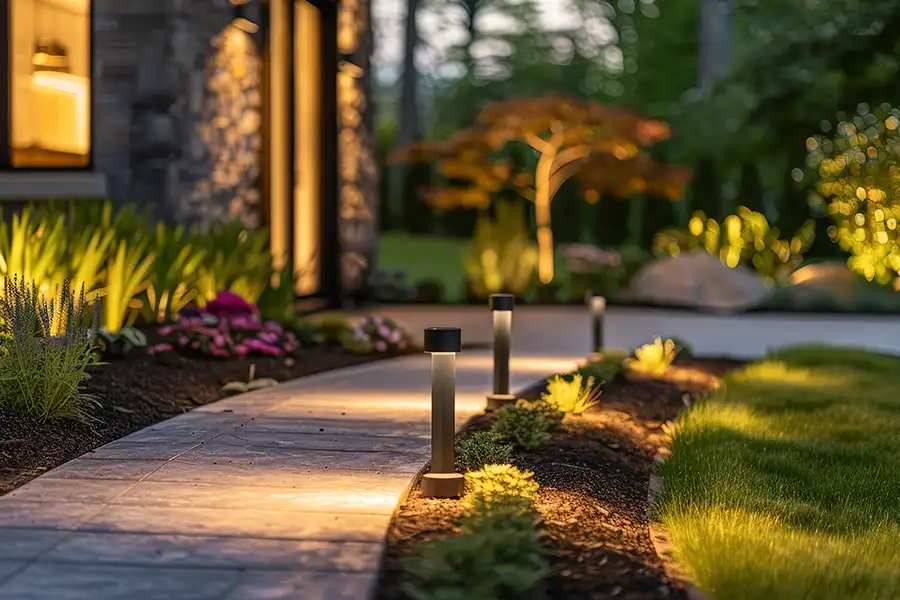
Before choosing individual plants, consider the overall color scheme you want for your landscape. A well-planned color palette can make different areas of your yard feel connected rather than looking like a collection of unrelated plants. Taylormade Landworks can help you choose colors and plant combinations that complement your home and existing landscape. Warm colors such as red, orange, yellow, bronze, and burgundy create a traditional autumn appearance. These colors work particularly well around entryways, patios, walkways, and garden beds where you want to create an inviting focal point.
For a softer look, consider combining purple, pink, white, and blue-toned flowers with plants that develop golden or bronze foliage. The contrast can create a more subtle fall display while still providing plenty of seasonal color. You can also use evergreen plants as a backdrop. Their consistent green foliage provides contrast against brightly colored flowers and changing leaves, helping the seasonal colors stand out.
Add Mums for Classic Fall Color
Few plants are more closely associated with fall than chrysanthemums, commonly called mums. They are available in a wide variety of colors, including yellow, orange, bronze, burgundy, red, pink, purple, and white. Mums are especially useful for adding immediate color to an established landscape. They can be planted in garden beds, placed near entrances, incorporated around patios, or used in containers. Grouping several plants of the same color can create a stronger visual impact than scattering individual plants throughout the yard.
When selecting mums, consider the size of the mature plant and the amount of space available. Larger varieties can help fill expansive beds, while compact varieties are useful along walkways and around smaller planting areas. Mums generally perform best in full sun or light shade with well-drained soil. If planting them in the ground during autumn, giving them adequate time to establish roots before the ground freezes can improve their chances of returning the following year.
Bring in Purple and Pink with Asters
If your fall landscape needs contrast, asters are an excellent option. Their daisy-like flowers can provide shades of purple, pink, white, and red, often with bright yellow centers. Asters can help break up areas dominated by warm fall colors. For example, purple asters planted near golden grasses or yellow foliage can create a striking contrast without making the landscape feel overly busy.
Several asters are native to Illinois, making them worth considering for landscapes where pollinator-friendly plantings are a priority. They can also provide a valuable late-season food source for bees and butterflies when many other plants have finished blooming. When incorporating asters into a planting bed, pay attention to their mature height. Some varieties remain relatively compact, while others can grow several feet tall. Taller varieties can work toward the back of a garden bed, while shorter selections can be used closer to walkways and patios.
Use Ornamental Grasses for Texture
Flowers are only one part of a successful fall landscape. Ornamental grasses can add movement, height, texture, and seasonal color long after many traditional flowers have finished blooming. Little bluestem is one example that can provide attractive reddish to purplish-bronze fall coloration. Switchgrass can develop yellow and reddish tones, while other native grasses can take on bronze or golden shades. Their seed heads can also remain attractive into winter.
Ornamental grasses can be used as borders, background plantings, focal points, or larger groupings. They are particularly effective when combined with flowering plants because their narrow foliage and airy seed heads create a different texture. For a more natural appearance, consider planting several grasses together rather than using only one specimen. Repeating the same plant throughout a landscape can help create a cohesive design.
Choose Trees with Brilliant Fall Foliage
If you are looking for a long-term way to add seasonal color, consider trees that provide appealing fall foliage. Deciduous trees can bring some of the most dramatic changes to a landscape as their green leaves transition into yellow, orange, red, bronze, or purple shades. Black gum, ginkgo, bald cypress, maples, oaks, and several other tree species can provide excellent autumn interest. The exact intensity of fall color varies from year to year based on weather conditions and the individual characteristics of each plant.
When adding a tree, it is important to look beyond fall color. Consider the tree’s mature size, growth habit, available sunlight, soil conditions, proximity to structures, and the amount of space available for the root system. A thoughtfully placed tree can provide much more than seasonal color. Depending on the variety and location, it can also contribute shade, structure, screening, and visual balance to the overall landscape.
Don’t Overlook Colorful Shrubs
Shrubs can provide another layer of fall interest while helping define the structure of a landscape. Oakleaf hydrangea, for example, can develop red, purple, orange, and yellow foliage in autumn while its dried flower heads can remain beautiful after summer blooms have faded. Other shrubs, including certain viburnums, chokeberries, Virginia sweetspire, native sumacs, and red twig dogwood, can also contribute seasonal color or winter interest. Shrubs are particularly useful around the foundation of a home, along property lines, beside patios, or at the edges of planting beds. Combining shrubs with lower-growing perennials and taller grasses creates layers that make the landscape more visually interesting.
Combine Different Heights and Textures
One of the easiest ways to improve a fall planting design is to avoid putting all your plants at the same height. Instead, create layers. Low-growing flowers can be placed near the front of a bed. Medium-height perennials and shrubs can fill the center, while taller grasses or trees can provide a backdrop. Texture matters, too. Large leaves, fine grass blades, rounded shrubs, and small flowers all reflect light differently and create visual variety. Using several textures can make a landscape look interesting even when the colors are more subdued. Repeating colors and plant types throughout different areas of the yard can also make the entire property feel more connected. For example, burgundy foliage near the front entrance could be echoed farther into the backyard with a burgundy-toned shrub or ornamental grass.
Create a Beautiful Fall Landscape with Taylormade Landworks
Creating a beautiful fall landscape starts with choosing plants that offer more than a single season of appeal. From colorful mums and asters to ornamental grasses, flowering shrubs, and trees with brilliant foliage, the right combination can transform your outdoor space and give it a fresh seasonal appearance. If you are planning a new planting bed, updating an existing landscape, or looking for ways to add more seasonal interest to your property, Taylormade Landworks can help develop a planting plan that fits your space and design goals.
With thoughtful plant selection and professional installation, your landscape can look beautiful through fall and continue providing structure and interest as the seasons change. For professional landscaping and planting services in Springfield, IL, contact our team today at 217.441.5707 to discuss your next outdoor project.